


Originally published in Funds Europe October 2025
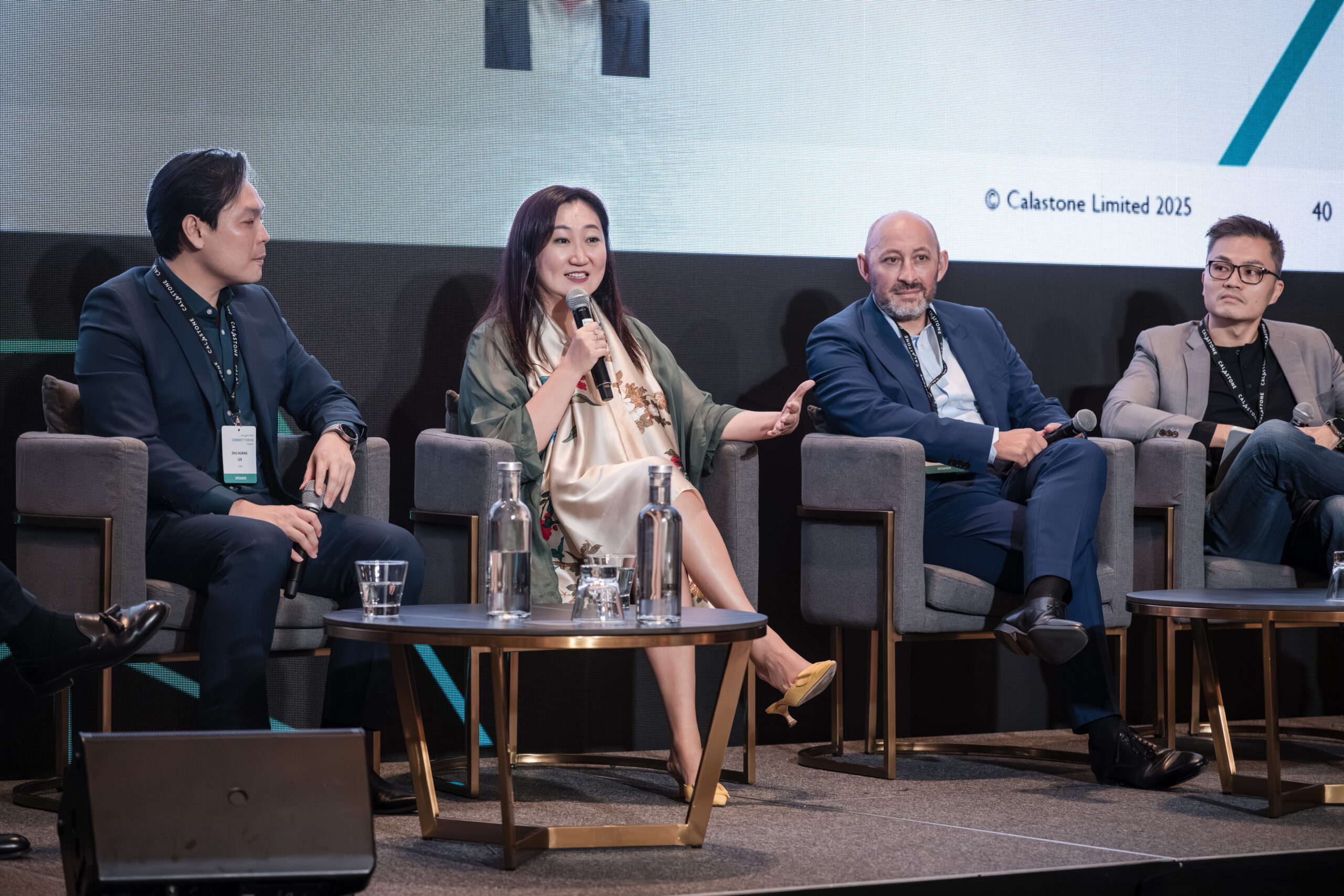
Professor Omri Ross talks with Funds Europe about the importance of tokenisation within the retail and wealth management markets.
In late July, the social trading platform eToro announced that it would be tokenising the top 100 listed US equities as part of its “journey towards a tokenised future”. The first step was taken back in 2019 when eToro launched tokenised gold and silver alongside fiat currencies.
With its latest move, the company, which launched in 2007 and now has more than 40 million registered users, will be launching US equities as ERC20 tokens on the Ethereum blockchain.
As eToro co-founder and CEO Yoni Assia said at the time: “We’ve been long term believers in a tokenised future. Blockchain will facilitate the greatest ever transfer of wealth, as traditional assets are tokenised and moved onto the blockchain.”
He added: “Hurdles remain, namely vested interests, however, we are witnessing key milestones on that journey.”
Some of these milestones have been regulatory. The passing of the Markets in Crypto-Assets regulation in Europe and the Genius Act in the US have accelerated the development of tokenisation by enabling the creation of digital assets that are legally backed and regulated and, in some instances, available to retail investors.
“The benefits of tokenisation, in particular 24/7 transferability, have been clearly demonstrated by stablecoins and these opportunities are now expanding to more asset classes,” said Assia
Assia has also stated that the company plans to eventually tokenise all of its assets and may consider developing its own dedicated blockchain to do so.
When, not if
The positive view of decentralised finance (DeFi) and tokenisation is shared by eToro’s chief blockchain officer Professor Omri Ross. “It is a matter of when, not if,” he says when asked about a tokenised future.
The benefits of tokenisation for retail investors and the wealth management market are relatively clear to Ross – a more accessible, transparent and democratic investment market.
Another benefit lies in the mobility and transferability and composability of tokenised assets and smart contracts – properties which should encourage greater liquidity.
The market for digital assets is still much smaller than traditional assets but it is growing. “The emergence of regulated stablecoins has been an early example of success,” says Ross. “This has created a viable model for issuers and a value argument for market participants.”
Tokenised MMFs
The next step is to tokenise assets more complex than the dollar and a natural extension would be tokenised money market funds (MMFs), says Ross. “They are safe and well-regulated investment vehicles that also generate interest and similar products to what you would see in the TradFi world.”
It is a classic case of both sides learning from each other, says Ross. “There is more market knowledge in the TradFi world but there is more fresh thinking in the DeFi world, especially about the mobility of assets. But you really need both sides working together to see how these concepts can work in reality and how that tokenised MMF could be transferred into another digital asset on a different platform.”
Ross does accept that multiple challenges remain. For example, more regulatory clarity is needed, as is greater assurance on the safety and segregation of assets.
There are also some technical challenges. For example, the choice of base blockchain, such as Ethereum or Solana, will determine the speed, cost and ecosystem of the tokenised asset. The protocol layer, the standard for representing fund shares, will affect the liquidity and transferability of assets across networks.
At the moment there are multiple versions in the market but Ross foresees that as the market matures, a few protocols will be more dominant. “That will create more liquidity and if the assets are easily transferable, that will allow for 24/7 trading with valuations available in real-time,” says Ross.
Weekend trading
The idea of an MMF being traded on a weekend will have implications in terms of market structure. As Ross says: “Tokenisation creates a different set of risks and opportunities for all the developers in the market. How do you structure the products? Is it a much more limited market? And how do the platforms work in this context?”
Custodians and transfer agents will still have a role in managing the use of smart contracts and client reporting. And platforms such as eToro and their use of wallets, portals and dashboards will be a huge factor in the client experience and, ultimately, the adoption of digital assets.
eToro prides itself for being “pro innovation”, says Ross, as do many of the online trading and investment platforms that see themselves as more adaptable than traditional asset managers and faster to offer new products.
“We deeply believe that clients want tokenisation but how quickly that happens, depends on the quality of product that we can provide,” says Ross. “And that will dependant on a number of external factors – front-end platforms, protocol, blockchain base, asset servicing, regulation, client demand.”
Consequently, product development will be an iterative process where new tokenised assets will be created all the time, says Ross. “As we see the adoption of blockchain products grow, we will see more products launched and that will shape the development of the market. The regulatory clarity will allow more mainstream players to enter the market and work with the technology providers in the space.